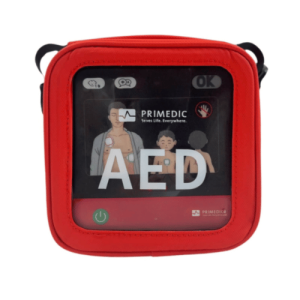
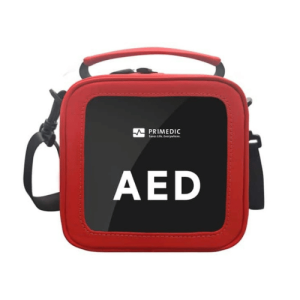
Primedic HeartSave myPAD 670A Fully Automatic AED, 15 x 15 cm
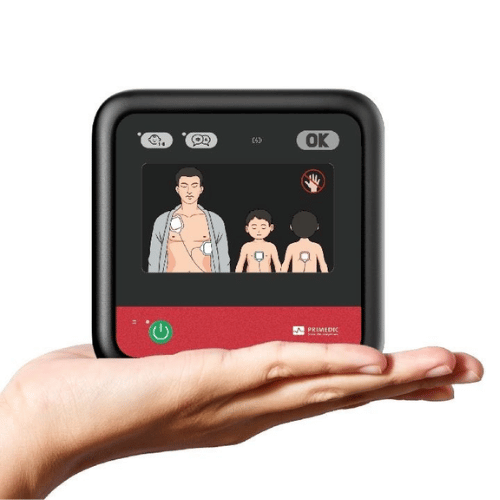
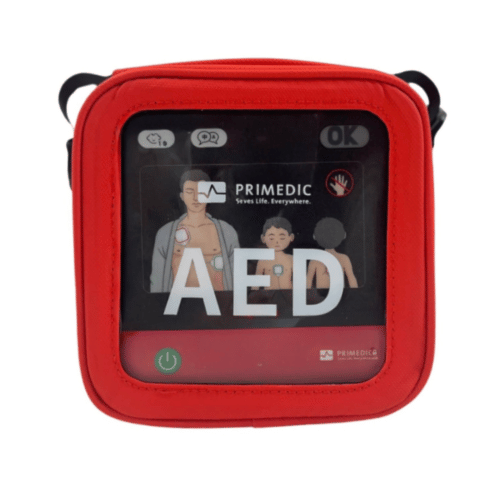
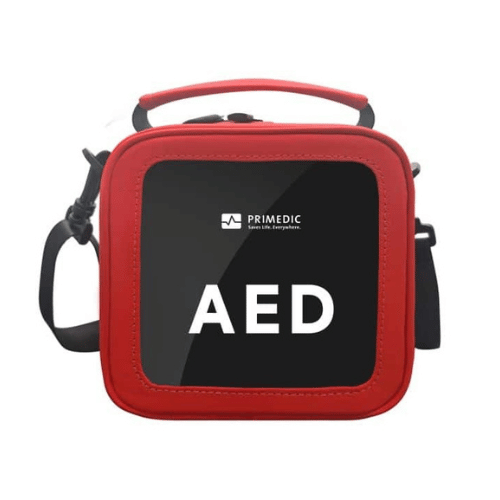
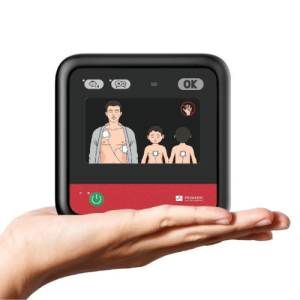
A portable defibrillator only helps if it is actually with you when someone collapses. The Primedic HeartSave myPAD is a fully automatic AED that sits in the palm of one hand: 15 x 15 cm, 7.3 cm deep and about 1.1 kg with its battery and pads fitted. It slips into a glovebox, a backpack, a boat locker or a sports bag, so a rescuer can have a defibrillator on hand within the first minutes of a cardiac arrest instead of running back to a wall cabinet. Made in Germany by Primedic (Metrax GmbH) and rated IP66 against dust and water jets, it is built for cars, caravans, worksites, sports fields and homes as much as for public spaces.
This listing is the HeartSave myPAD 670A (Primedic item 97954): fully automatic operation, printed graphics and LED prompts instead of a screen with voice guidance in up to six languages. It is the simplest and lightest version of the myPAD and the best fit for personal, vehicle and small-workplace use. If you need the LCD or touchscreen versions, the CPR feedback pads or remote monitoring, call us on 1300 423 477 and we can quote those variants.
Video: Primedic’s HeartSave myPAD film (1 min): the AED that goes in the car, the bag and the home.
Features
- Fits in one hand: at 15 x 15 x 7.3 cm and about 1.1 kg it is one of the smallest and lightest AEDs sold in Australia, so it travels with you rather than staying on a wall.
- Fully automatic shock: the device analyses the heart rhythm and delivers the shock itself when one is needed, so an untrained bystander never has to decide whether to press a shock button.
- Child mode at the press of a button: the child button lowers the energy to 50 J for children under eight, using the same pads, so you do not need to buy or find paediatric electrodes.
- Escalating energy 150, 170 and 200 J: biphasic shocks step up automatically if the first shock does not convert the rhythm, following the current ERC 2025 resuscitation guidelines.
- IP66 dust and water protection: sealed against dust and water jets with the battery and pads fitted, and rated to operate from 0 to 55 °C, so it suits vehicles, boats, mines and outdoor work.
- Clear guidance without a screen: calm voice prompts, printed pad-placement pictures, LED indicators and a CPR metronome walk the rescuer through every step, and the volume adapts to background noise.
- Up to six languages on one device: choose the language pack that suits your workforce or visitors, changed with the language button.
- Five-year battery and pads: the non-rechargeable battery gives up to five years of standby and the pre-connected SavePads PLUS C electrodes have a shelf life of up to five years, keeping running costs low.
- Daily self-test with status indicator: the myPAD checks its electronics, battery and pads every day and shows its readiness, so a monthly glance is all the checking it needs.
- 8-year manufacturer warranty: backed by Primedic, a German defibrillator maker since 1973, with Australian sponsorship through Paragon Care (CH2).
How to use
- Call 000, start CPR and send someone for the myPAD. Open the bag and press the green power button; the voice prompts start straight away.
- Bare the chest, dry it if wet and use the razor in the rescue kit to shave very hairy skin where the pads go.
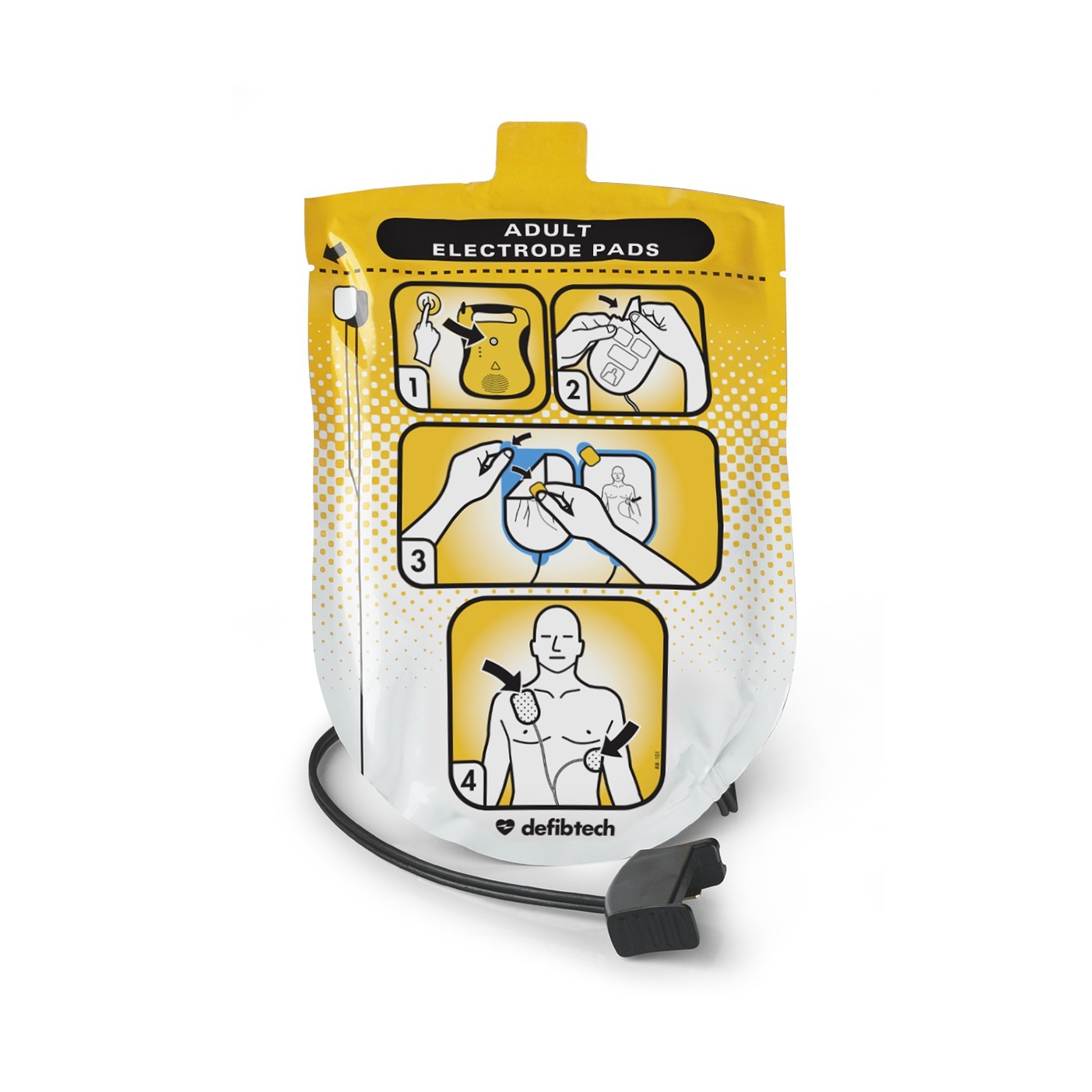
- Peel the pre-connected pads off their liner and press them on as shown in the pictures on the device: one on the upper right chest, one on the lower left side. Press the child button first if the patient is under eight.
- Stand clear while the device analyses the rhythm. If a shock is needed the myPAD warns everyone to stand clear and delivers it automatically.
- Follow the voice prompts and metronome to continue CPR. The device re-analyses every two minutes and keeps guiding you until paramedics take over.
- After use, replace the pads and check the status indicator. Download the event data to a computer by USB if the ambulance service asks for it.
Video: Primedic’s step-by-step demonstration of the fully automatic HeartSave myPAD (3½ min). The demo unit has the optional display; the 670A gives the same voice prompts with printed pictures and LEDs. In Australia call 000, not 112.
For use on a person who is unresponsive and not breathing normally. Do not use in explosive atmospheres or while the patient is in water or on a conductive surface. Do not touch the patient during analysis or shock delivery. Keep the pads sealed until use and replace them and the battery before their expiry dates. This product may not be right for you. Read the warnings before purchase. Always follow the directions for use.
Specifications
| Brand | Primedic HeartSave myPAD by Metrax GmbH, Germany |
| Product code | 97954 (model 670A) |
| Operation | Fully automatic (shock delivered by the device); no display, printed graphics and LED prompts; voice guidance in up to six selectable languages; no CPR sensor; no Wi-Fi or LTE |
| Size / dimensions | 151 x 151 x 73 mm (about 15 x 15 x 7.3 cm) |
| Weight | Approx. 1.0 to 1.1 kg with battery and pads |
| Shock energy | Adult 150, 170 and 200 J escalating; child mode 50 J; biphasic truncated exponential waveform |
| Time to shock | About 8 seconds from analysis to a 150 J shock, 12 seconds to 200 J |
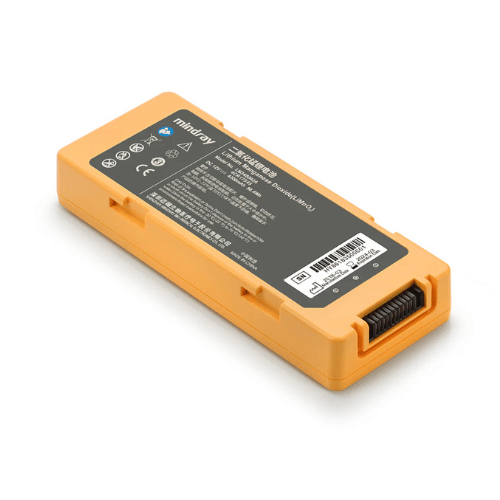
| Battery | Non-rechargeable lithium (LiMnO2) 12 V 2.8 Ah, up to 5 years standby, about 130 shocks at 200 J |
| Electrodes | SavePads PLUS C adult and child pads (303A1206), pre-connected, shelf life up to 5 years |
| Protection | IP66 with battery fitted and pads connected; operating 0 to 55 °C, storage −5 to 55 °C, 0 to 95% RH non-condensing |
| Self-test | Automatic daily self-test of function, battery and pads with status indicator; Bluetooth configuration; internal event memory with USB export |
| Guidelines | ERC 2025 resuscitation guidelines |
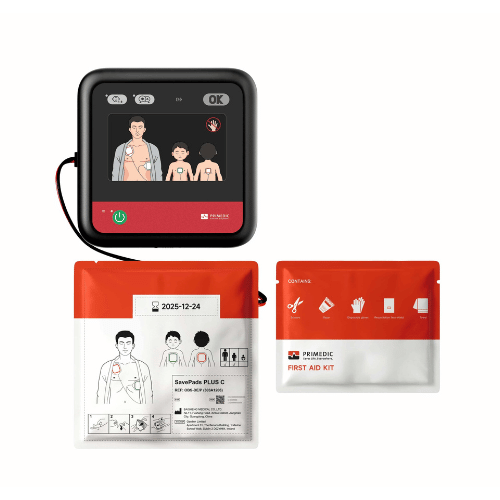
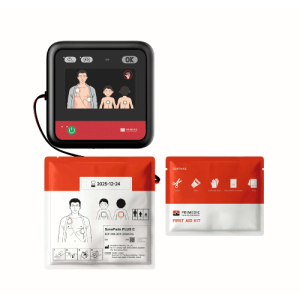
| In the box | HeartSave myPAD 670A, carry bag, battery, one pair of SavePads PLUS C, rescue kit (razor, face shield, gloves, scissors), instructions for use |
| Warranty | 8 years (manufacturer) |
| Regulatory | ARTG 512488, Class III medical device; sponsor Clifford Hallam Healthcare t/a Paragon Care Australia; manufacturer Metrax GmbH |
| Barcode (GTIN) | 4260648814582 |
| Country of origin | Germany |
| Documents | Datasheet (PDF), Brochure (PDF) |
FAQs
Do I need training to use it? No. The myPAD is designed for untrained bystanders: it talks you through each step and delivers the shock itself. A CPR course still helps, because good compressions between shocks matter.
What is the difference between fully automatic and semi-automatic? A semi-automatic AED asks the rescuer to press a shock button when it advises a shock. The fully automatic 670A gives the warning, counts down and shocks on its own, which removes hesitation.
Can I use it on a child? Yes. Press the child button before applying the pads for children under eight years or about 25 kg and the energy drops to 50 J. The same pads are used.
What upkeep does it need? Very little. It self-tests daily; check the status indicator monthly, and replace the battery and pads before the expiry dates printed on them (each up to five years).
Is it approved for use in Australia? Yes. The HeartSave myPAD 670A is included on the Australian Register of Therapeutic Goods (ARTG 512488).
Other defibrillators and AED accessories
- Mindray C1A Defibrillator: our most popular workplace AED, fully automatic with a 5 cm screen.
- LifePak CR2 Defibrillator: a larger AED with CPR coaching for busy public sites.
- Mindray C1A Portable AED: the C1A in a waterproof hard case for vehicles and remote work.
- AED Cabinet with Alarm and Strobe: a wall cabinet for the times the myPAD stays at base.
- AED Sign: show staff and visitors where the defibrillator is kept.
Delivered Australia-wide. For fleets, multiple units or the display, CPR-feedback and connected versions of the HeartSave myPAD, call 1300 423 477 or email sales@thefirstaidshop.com.au for a quote.